We build open-source bioinformatics infrastructure for conservation genomics — and use the same tools to lay the groundwork for de-extinction research when the science is ready.
Conservation organizations collect field samples, get back genomic data, and hit a wall. Most teams don't have the bioinformatics expertise to go further. We build tools that close that gap — and apply the same infrastructure to ancient DNA research.
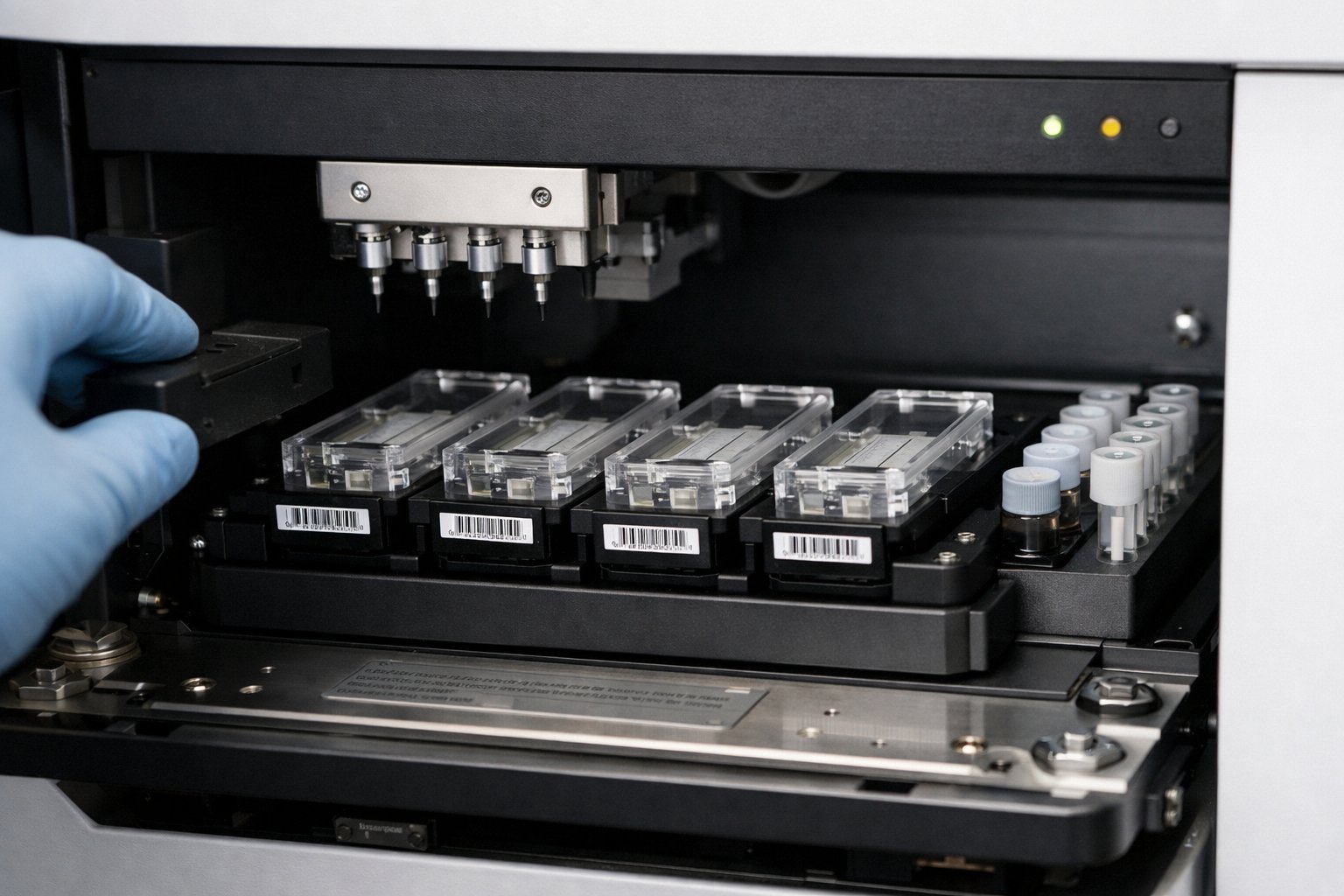
Refugia makes population structure analysis accessible to conservation teams who have genomic data but not bioinformatics capacity. Upload a VCF, get a plain-English report with ADMIXTURE, FST, and PCA — no command line required.
Lacuna handles the specific challenges of degraded fossil samples — damage pattern correction, low-coverage assembly, and haplotype calling from Pleistocene and Holocene specimens. Built for Canis lineages and North American megafauna, generalizing outward from there.
Six target species have been identified for future genomic research programs — Woolly Mammoth, Woolly Rhinoceros, Cave Lion, Quagga, Thylacine, and Short-Faced Bear. The tooling we're building now is the foundation these programs will run on. No active sequencing has begun; the science comes first.
Every pipeline, dataset, and result is published openly. We believe conservation science moves faster when it's shared, and that no single lab should hold a monopoly on the tools that make it possible.
Refugia and Lacuna form the core of our open-source platform. Wolf-specific pipelines live on RewildUtah.com.
An open-source toolkit for processing, aligning, and annotating ancient DNA sequences from Pleistocene and Holocene specimens, with a focus on Canis lineages and North American megafauna. Handles damage correction, low-coverage assembly, and haplotype calling from degraded fossil samples.
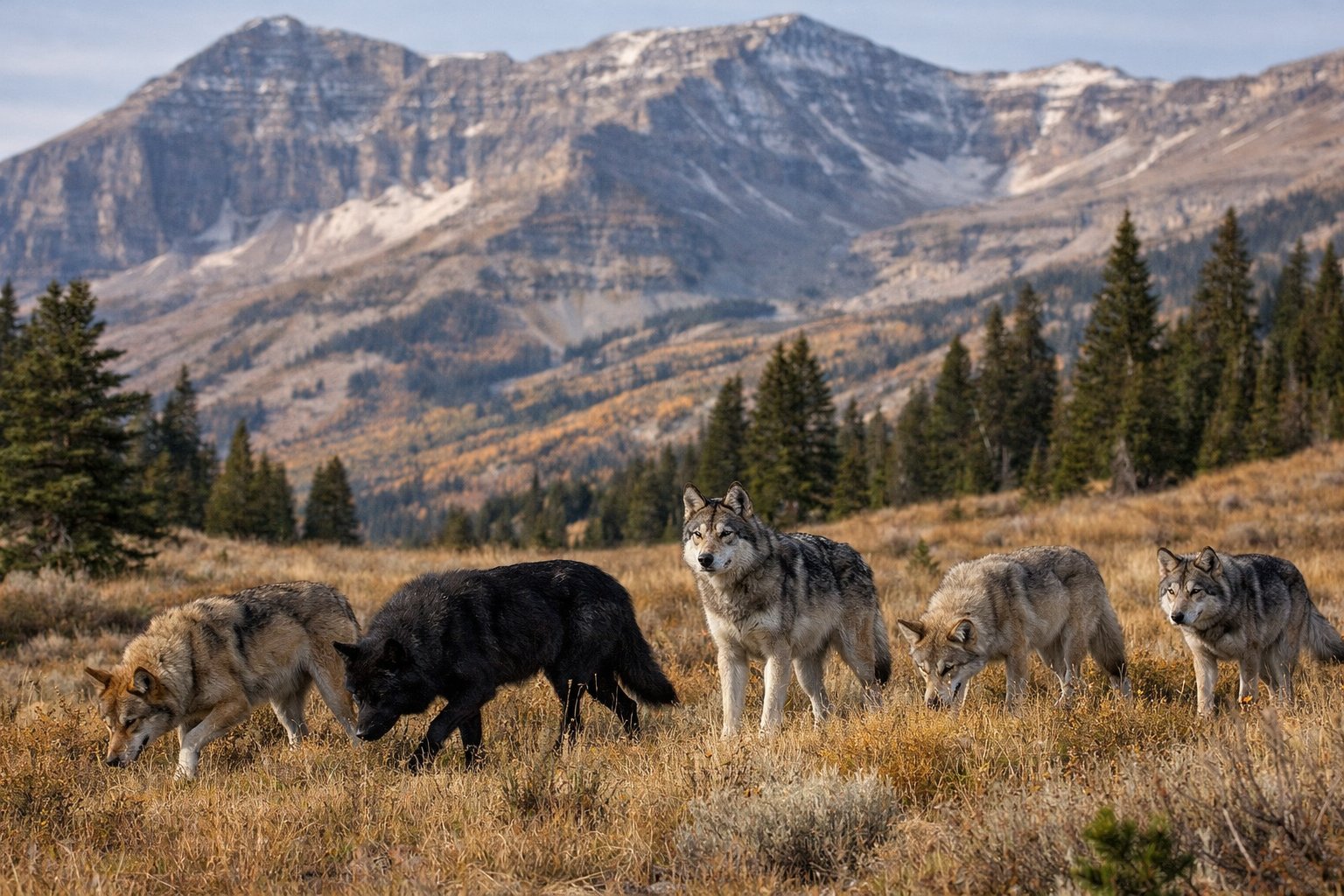
Identifying viable wolf reintroduction corridors across Utah's public lands using landscape genomics, population viability analysis, and GIS-integrated habitat suitability modeling. Built to directly inform reintroduction policy and move beyond abstract advocacy into data-driven conservation planning.
An interactive map of Pleistocene North American megafauna — 10 species, fossil site locations, historical range overlays, and a timeline from 14,000 BP to present. Includes trophic cascade modeling, rewilding feasibility scores by region, and ecological role data for each species. Click any fossil site to inspect the species in detail.
Wolf gRNA Designer & mtDNA Pipeline → RewildUtah.com ↗
Conservation organizations collect field samples, get back genomic data, and hit a wall — the analysis requires bioinformatics expertise most teams don't have. Refugia closes that gap. Upload a VCF, get a report you can act on.
Rewild Genomics builds the open-source genomic infrastructure that conservation teams need and can't access. The same tools that help endangered species today are the foundation for de-extinction research tomorrow. Rigorous work doesn't require a nine-figure budget — it requires the right questions and the willingness to publish everything.
Refugia and Lacuna bring population genomics and ancient DNA analysis to teams without institutional bioinformatics capacity.
Open pipelines for CRISPR design, population genetics, and disease genomics — applicable to conservation and future de-extinction targets.
Translating genomic research into actionable support for reintroduction programs, habitat protection, and ecological restoration in the west.
Every pipeline, dataset, and result is publicly available and peer-reviewable. No IP walls. No exclusivity.
Our sister initiative building public and policy support for wolf reintroduction in Utah. Features our wolf genomics tools, published research, and educational resources on historical wolf territory in the Great Basin.
Visit RewildUtah.com ↗De-extinction is the project of recovering extinct species through genomic reconstruction — sequencing ancient DNA, identifying the genetic variants that defined a species, and using CRISPR-based editing to reintroduce those traits into a living relative.
Rewild Genomics takes an open-science approach. Every pipeline, dataset, and analysis is publicly available and peer-reviewable. We work exclusively with publicly available genomic data from NCBI and GenBank — no proprietary samples, no IP walls. The same tools we build for conservation genomics today are the infrastructure these programs will run on when the science is ready.
View the species →Rewild Genomics was founded by Andrew Hansen with the goal of doing real, publishable conservation and de-extinction genomics research. We build open tools first, then use them.